Enhancing Web Design with Pillows: A Handwritten Font
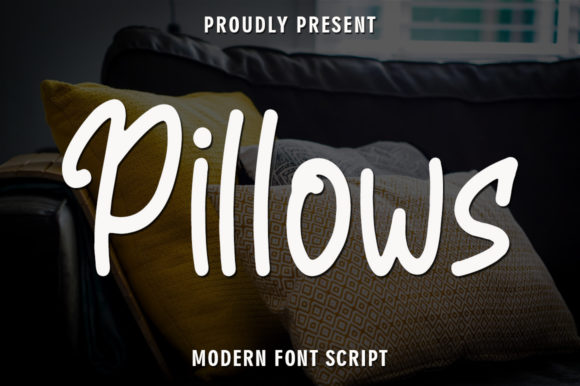
As I was finalizing the hero section for a new boutique online store, I stumbled upon Pillows, a sweet and friendly handwritten font. Its natural and unique style instantly caught my eye, making it an excellent candidate for adding a playful yet professional touch to the website.
Visual Characteristics and Personality of Pillows
Pillows is a premium font that exudes a warm, inviting feel. Its strokes are smooth and organic, reminiscent of a casual, hand-drawn script. This typeface has a charming personality, perfect for brands looking to create a more personal and approachable online presence. The font's modern typography and unique style make it incredibly versatile, fitting a wide range of digital designs.
Incorporating Pillows into Website Headers and Hero Sections
I decided to test Pillows in the hero section of the boutique store. The font's playful style complemented the brand's aesthetic, creating a welcoming and engaging first impression. For the header, I used Pillows for the main title, which stood out beautifully against a high-quality product image. The result was a visually appealing and memorable design that immediately captured the visitor's attention.
Readability and Visual Hierarchy
While Pillows is a decorative display font, it's essential to ensure readability, especially on smaller screens. I tested the font across various devices and found that it maintained its charm and legibility even on mobile. For longer text, I paired Pillows with a clean sans serif font for body copy, ensuring a balanced visual hierarchy and easy scanning behavior.
Using Pillows for Call-to-Action Areas and Buttons
To enhance user engagement, I experimented with using Pillows for call-to-action (CTA) buttons. The font's unique style made the CTAs stand out, encouraging visitors to click and explore further. However, I ensured that the button text was short and clear, as longer phrases could affect readability. The combination of Pillows for CTAs and a simple sans serif for supporting text created a harmonious and effective design.
Pairing Pillows with Other Fonts
Font pairing is crucial for a cohesive and professional look. I paired Pillows with a classic sans serif like Helvetica or Arial for a clean, modern feel. For a more editorial and sophisticated design, a serif font like Georgia or Times New Roman worked well. This combination allowed me to use Pillows for decorative accents and headlines while maintaining clarity and readability in the body text.
Practical Examples and Use Cases
- Creative Portfolio: Pillows can be used for the portfolio's main headings and project titles, adding a personal and artistic touch.
- Boutique Online Store: The font works well for product names, category headers, and promotional banners, enhancing the shopping experience.
- Coaching Website: Pillows can be used for motivational quotes, service descriptions, and client testimonials, creating a warm and trustworthy atmosphere.
- Course Sales Page: The font can be used for course titles, module headings, and key benefits, making the content more engaging and visually appealing.
Technical Considerations and Licensing
Before using Pillows on any web project, it's important to check the included styles, webfont availability, and file formats. The font supports multiple weights and alternates, allowing for creative flexibility. Additionally, multilingual support is a plus for international projects. Always ensure you have the proper commercial font licensing to use Pillows on websites, client projects, and other digital assets.
Final Thoughts on Pillows
Incorporating Pillows into your web design can significantly enhance the overall user experience and brand identity. Its unique, handwritten style adds a personal and engaging touch, making it a valuable asset for any digital creator. Whether you're designing a boutique online store, a coaching website, or a creative portfolio, Pillows is a font that can help you build a more polished and memorable online presence.